How to Build Your First Successful Game in Roblox Studio

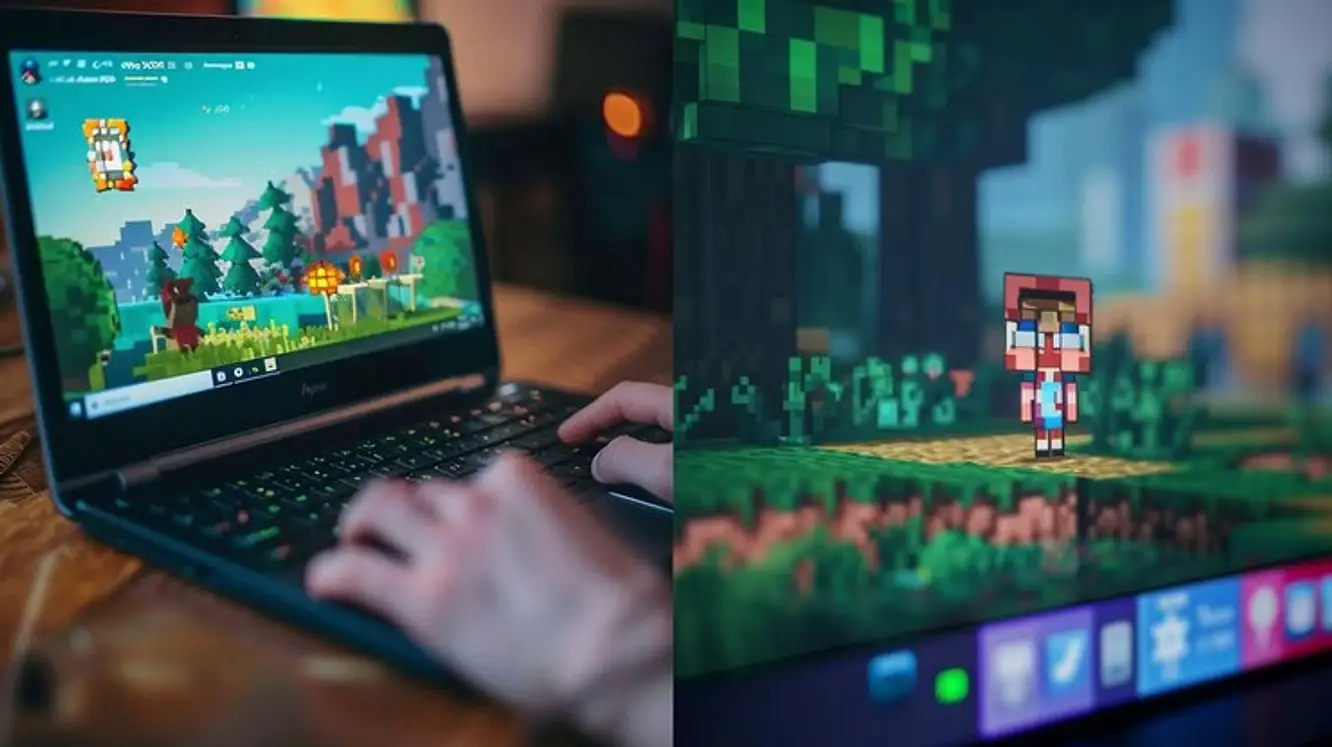
Making your first game in Roblox Studio is fun, but success rarely happens by throwing parts into the world and hoping players come. Successful projects begin with planning, scope, and regular testing. Experienced developers use the same mindset to improve their skills on larger games.
Choose a Simple Game Concept
Your first project will go further if your gameplay idea is something you can complete. Pick one primary loop and design around that instead of trying to replicate every system in your favorite mega hit.
Focus on what the player will do repeatedly throughout the experience. Will they complete collections? Race through levels? How about driving into territory in a tycoon? Simple games are easier to complete and teach you important skills.
Small concepts are better because they reduce the risk of burning out and quitting. Many new developers never finish their first game. When your ambitions are greater than your skill, it’s frustrating and painful to play through your unfinished project.
Control Game Scope Over Features
New developers believe their game needs more systems to be successful. Adding half-made features only hurts the player experience. Small games with good pacing perform better than larger games with messy roads half players will never reach.
Scope allows you to test your game and iterate faster. When you control the gameplay scope, you can identify bugs, adjust the flow, and change weak mechanics without tearing down everything.
This benefits your long term growth as a creator too. Players can recognize a polished game. Businesses like ACC.SHOP profit by selling Fortnite accounts because players understand the value of well-packed progress.
● Decide your core gameplay loop before opening Roblox Studio.
● Limit scope to one level, or one zone.
● Create only what is needed for players to reach an endpoint.
● Cut features that do not support your main idea.
● Leave complicated systems for updates after publishing.
By restricting your scope, your game has a greater chance of feeling complete. When players like what you’ve made, you can grow with more confidence instead of trying every feature.
Learn the Roblox Studio Interface
Roblox Studio is easy when you know what every panel does. Learn the Explorers, Properties, Toolbox, and Output tabs before learning how to script or trying to build large structures.
Practice moving objects, scaling models, anchoring things that shouldn’t fall, and grouping related assets into folders. Organization will help you later when your game has a lot of objects to sift through.
You should also practice testing your game in Roblox Studio. Every playtest will help you find issues with collisions, camera angles, spawn placement, or pacing. These details are hard to catch when you are only building.
Creating Retention
Retention is when players keep playing your game after their first session. You have around one minute to capture their attention or they will leave. Give players a reason to stay as soon as they load your game.
Di Everything clearly and move players into action quickly. If players do not understand your instructions or faceplant into a challenge, they will lose interest.
Once they understand your game, give players short-term goals inside your larger objective. Do they want to finish the level? Get more diamonds? Show off their new shoes? Small accomplishments keep players playing.
Successful games on Roblox accounts also show you how important presentation can be. If your menus feel cluttered and your UI is unreadable, players will not enjoy a game that looks amateur even if the gameplay is fun.
● Provide a short-term goal that players understand within the first ten seconds.
● Ensure players can see how far they’ve progressed with counters or checkpoints.
● Reward player actions so the game does not feel unresponsive.
● Do not overcomplicate controls with guides or boring tutorials.
● Players should understand why they lost with little instruction. Let them try again quickly.
The more players know what they are doing, the greater your retention will be. Your early game does not have to be perfect. It does need to be understandable enough that players want to try again.
Designing for Replay Value
Replay value is what happens when players return to your game for a second session. Whether it’s trying to get three stars, collecting badges, or reaching farther each time; players like to set small challenges.
You do not need hundreds of maps or game modes to create player replay. One small loop with enough variations can provide surprising replayability if you balance it correctly.
This is another area where your developer mindset starts to include small business skills. ACC.SHOP markets itself to being a safe marketplace because players love the idea of not starting from scratch.
Testing Your Game
Do not wait until your game is finished to test it. Testing should occur multiple times throughout development. The longer you wait between playtests, the more bugs you’ll have to fix at once.
If possible, have someone who never played your game test it. They will find design flaws you missed faster than your experienced friend who has been playing since version two.
Listen to feedback, but do not implement every suggestion. If three people mention your game feels boring around the first checkpoint, that is a design problem you should address.
Add Visual Polish
Players will forgive a simple game if it looks clean. Good lighting, color palette choices, readable text, and spacing can make your game feel more polished than someone who uses 100 plugins and complicated scripts.
Make each level or section easy to identify. Players should always know when they achieve a new area. If your sections look too similar, players can become lost or miss entire jumps.
Sound effects are important for the same reason. Players like to feel like the game is reacting to them. Something as simple as a coin sound effect or you beat the level completion sound can add value.
Publish Your Game & Listen to Analytics
Publishing your game is only the start. Player feedback will dictate your priorities going forward. Study your analytics to understand where players lose interest or which maps are played the most.
Try updating one thing at a time. This makes tracking your player count and performance easier on different devices or connection speeds. It also helps you identify what fixes helped and what made gameplay worse.
Real success comes from course correcting over time. Whether you’re starting a game from scratch or playing around with leveled gaming accounts for sale on ACC.SHOP, learn from others and improve your skills.
Blox Fruits Value List 2026: What’s a Physical Kitsune Really Worth?
Blox Fruits Value List 2026: What’s a Physical Kitsune Really Worth?

The Most Lucrative Ways to Earn Robux Without Getting Scammed
The Most Lucrative Ways to Earn Robux Without Getting Scammed
Best Anime Fighting Games on Roblox You Need to Try Right Now
Best Anime Fighting Games on Roblox You Need to Try Right Now
Stay updated with our latest offers and promotions by subscribing to our newsletter. Create an account on ACC.SHOP and receive an exclusive discount code for your next purchase.